Professional Dog Grooming: Keep Your Pup Content and Well
Professional dog grooming is fundamentally important in safeguarding the wellness of pets. It extends beyond looks, tackling medical issues such as matting and fur-related concerns. Regular grooming enhances your pet's appearance but also builds a deeper connection between pets and their owners. Comprehending the grooming procedure and its benefits can help owners make well-informed decisions. What considerations should you keep in mind when choosing a grooming provider? The results might astonish you.
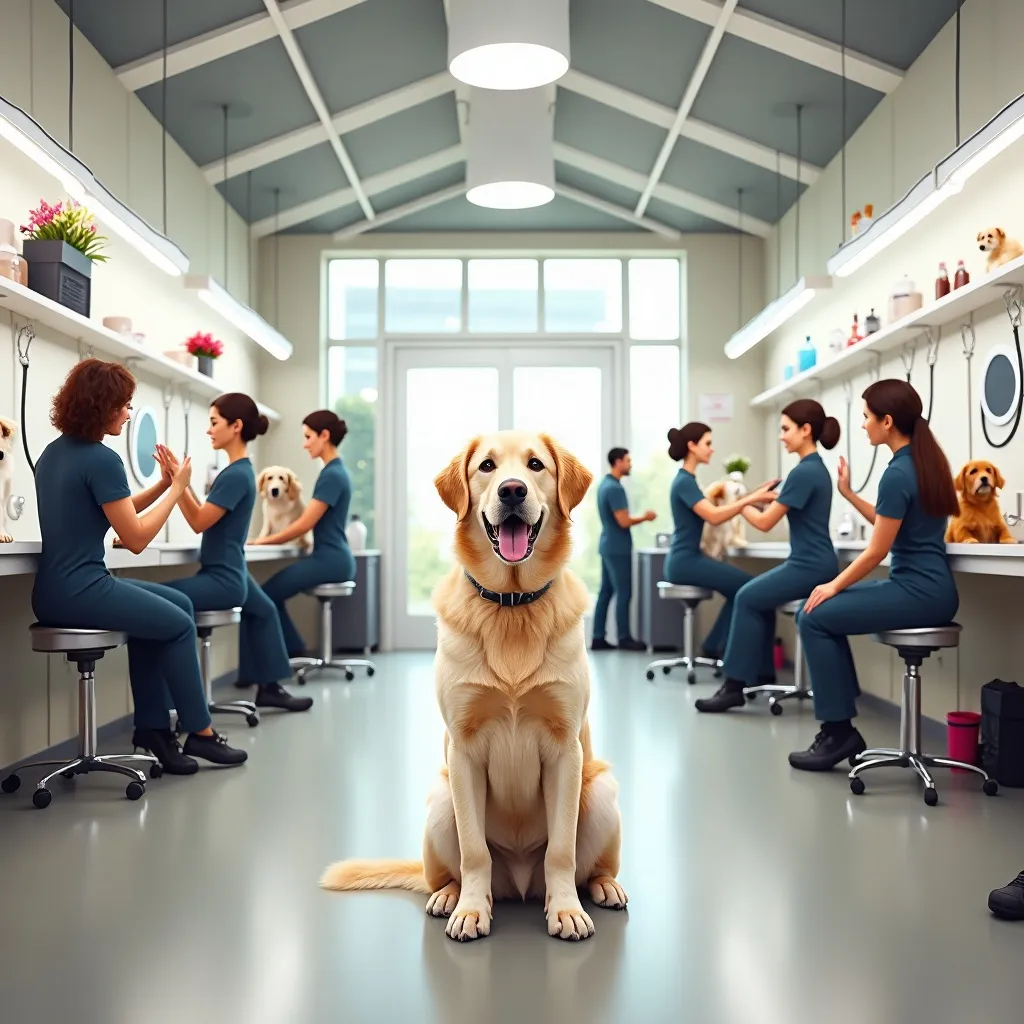
The Critical Role of Frequent Dog Upkeep
Although numerous dog owners may disregard grooming as a simple aesthetic task, the importance of routine canine grooming extends far past appearance. Coat maintenance plays a significant role in preserving a dog's general wellness and quality of life. Consistent brushing eliminates loose fur and avoids matting, which can lead to skin irritations and infections. It also promotes healthy skin by spreading natural oils, enhancing coat shine and texture.
Furthermore, grooming appointments allow owners to inspect their dogs for evidence of infestations or skin problems, enabling early detection and treatment. Nail trimming is an additional important aspect; long nails can lead to harmful walking and joint issues. Additionally, cleaning the ears and teeth helps to prevent infections and dental problems. Ultimately, consistent grooming fosters a deeper bond between the dog and its owner, helping a happier, healthier pet. Prioritizing grooming is an essential responsibility that supports both body care and emotional well-being.
What You'll Experience Throughout a Expert Grooming Session
During a professional grooming session, pet guardians can predict a structured process aimed at elevate their pet's appearance and hygiene. Assorted implements and procedures will be employed to guarantee thorough grooming, suited to each dog's specific needs. Following the service, follow-up care instructions and upkeep recommendations will be provided to help copyright the dog's refined appearance.
Understanding the Self-Care Process Basics
A expert grooming appointment typically includes several key steps designed to improve a dog's appearance and well-being. Initially, the groomer assesses the dog's coat, skin, and overall health, identifying any particular requirements. The initial stage often involves bathing the dog with suitable cleaning product, followed by thorough drying. After drying, the groomer combs through the fur to remove mats and shed hair. This is often succeeded by nail trimming and ear cleaning, ensuring overall hygiene. Based on breed type, additional steps like trimming or shaping may be performed to reach the wanted appearance. In conclusion, the appointment ends with a final inspection, ensuring the dog looks and feels its best, prepared to depart the grooming salon content and revitalized.
Equipment and Techniques Deployed
Professional dog grooming includes a set of specialized tools and techniques designed to guarantee best care and hygiene. Groomers regularly use clippers for precise fur trimming, allowing a clean and attractive look. Shears are used for precise trimming, permitting varied lengths and textures. Brushes and combs help with detangling and clearing loose fur, contributing to a healthy coat. De-shedding tools may be used to minimize shedding and maintain cleanliness at home. Bathing equipment, including shampoos and conditioners customized for specific coat types, keep the skin and fur in excellent condition. Furthermore, nail clippers and grinders are essential for maintaining paw health. Each tool serves a specific purpose, ensuring every aspect of the dog's grooming needs is addressed effectively.
Post-Treatment Care and Maintenance Best Practices
Grooming appointments don’t just enhance a dog's look but are key in overall wellness. Following a professional grooming appointment, it is necessary for owners to observe specific aftercare recommendations to maintain their dog’s fur and skin. Regular brushing should be done at home, preferably several times a week, to prevent matting and eliminate shedding. Bathing rate should be balanced; over-washing can strip natural oils. Owners should watch their dog’s skin for any symptoms of irritation or allergies, bringing concerns to a veterinarian if needed. Hydration is crucial, so fresh water should always be on hand. Lastly, maintaining a consistent grooming plan will help keep a dog happy and healthy all year.
Essential Grooming Equipment for Every Dog
Every pet proprietor should be furnished with necessary grooming equipment to preserve their pet's health and appearance. A high-quality brush is essential, as it helps remove loose fur and debris while distributing natural oils, keeping the coat lustrous. For dogs with long hair, a slicker brush can handle tangles efficiently.
Nail trimmers or files are essential for preserving paw health, avoiding painful overgrowth. A gentle ear cleaner can help prevent infections, while pet-safe shampoos guarantee the skin remains sound during baths.
Additionally, a grooming station can provide a stable surface, making the grooming experience simpler for both the dog and the owner.
Finally, acquiring a good pair of scissors will support in cutting and final details, guaranteeing the dog looks its best. Having these tools on hand enables owners to provide regular grooming, strengthening the bond between them and their furry companions.
Ways Dog grooming Supports Your Dog In good health
Grooming functions as a critical element in maintaining a dog's overall health. Regular grooming helps ensure skin health by removing dirt and debris, while also preventing matting that can result in discomfort. This regular habit not only keeps a dog's coat in great shape but also enhances their physical wellness.
Skin Care Advantages
Routine grooming serves as a important shield for a dog's skin health, supporting overall well-being. It clears away dirt, debris, and loose hair, preventing skin irritations and infections. By regularly maintaining a dog's coat, the natural oils are allocated evenly, boosting skin hydration and luster. In addition, grooming provides for early spotting of potential skin issues, such as rashes or parasites, allowing timely intervention. This preventative approach not only helps the dog's comfort but also minimizes the risk of more serious health concerns. Moreover, grooming sessions can increase blood circulation, which supports healthy skin regeneration. Overall, maintaining a consistent grooming routine is critical for achieving ideal skin health and building a happier, healthier pet.
Reduces Matting Troubles
A consistent grooming routine not only supports healthy skin but also plays an crucial role in avoiding matting issues. Mats can form when hair gets tangled with the dog's fur, often leading to discomfort and skin irritations. Consistent brushing eliminates dirt, debris, and dead hair, ensuring that the coat remains healthy and free-flowing. For long-haired breeds, daily grooming sessions is particularly important to avoid knots and tangles that can deteriorate if neglected. Additionally, professional groomers possess the expertise to detect early signs of matting and take A regular grooming routine not only promotes healthy skin but also plays a essential role in avoiding matting problems. Mats can form when loose hair becomes tangled with the dog's fur, often causing discomfort and skin irritations. Regular brushing removes dirt, debris, and dead hair, ensuring that the coat remains free-flowing and healthy. For long-haired breeds, daily grooming is especially vital to avoid knots and tangles that can deteriorate if neglected. Additionally, expert groomers have the expertise to identify early signs of matting and take suitable measures.
What's the Best Way to Choose a Grooming Provider?
When picking the best pet grooming for a dog, pet owners often ask what factors will guarantee their four-legged companion receives the best attention. First, they should examine the groomer's reputation, searching for reviews and testimonials from other pet owners. A organized, spotless environment shows professionalism and attention to detail. Additionally, assessing the staff's qualifications and experience is crucial; trained professionals are often more knowledgeable about proper techniques and breed-specific needs.
Pet owners should also ask about the available services, such as bathing, nail trimming, and ear care, ensuring they match their dog's needs. Visiting the location beforehand can provide insight into how dogs are handled during grooming sessions. Finally, considering the grooming service's proximity and cost will enable pet owners to reach an well-considered choice that suits their way of life and budget, eventually guaranteeing a favorable grooming session for their beloved pet.
Fur Care Strategies for Particular Breeds
Several dog breeds have distinct grooming requirements that can greatly impact their appearance and well-being. For instance, breeds like Poodles require consistent grooming to avoid matting in their curly coats, requiring professional care every four to six weeks. In comparison, short-haired breeds such as Beagles benefit from occasional brushing to remove loose hair and distribute natural oils, making their grooming routine easier to manage.
Long-haired breeds, such as Golden Retrievers, need more frequent brushing, preferably two to three times a week, to keep their coats free from tangles and healthy. Furthermore, breeds with specific skin conditions, like Bulldogs, may need specialized cleansers to preserve skin health. Routine nail trimming is crucial for all breeds, but particularly for those less active, as overgrown nails can lead to pain. Comprehending each breed's grooming requirements is vital for guaranteeing their overall well-being and contentment.
Signals Your Dog Needs Professional Grooming
Identifying the symptoms that a dog needs grooming services can greatly improve its health and comfort. One of the most clear indicators is matting in the fur, which may result in skin irritations or infections if not treated. Additionally, an increase in shedding or a strong odor could show that a grooming session is due.
Dogs that constantly scratch and bite at their skin could be feeling discomfort from matted fur or parasites, calling for immediate grooming attention. Moreover, lengthened nails can lead to pain and walking difficulty, making periodic nail trimming critical.
Ultimately, if a dog demonstrates a behavioral change, such as becoming more irritable or withdrawn during brushing, it might signal that grooming is essential. Managing these signs quickly can assure that a dog's coat remains vibrant and copyright its overall well-being.
Frequently Asked Questions
What Frequency Should I Follow for Grooming My Dog at Home?
Dogs should usually be maintained every four to six weeks, according to their coat type and shedding patterns. Regular brushing at home can help in maintaining coat health and lessen matting between professional grooming sessions.
Can Proper grooming Tackle Excess fur Issues?
Grooming can substantially lessen shedding issues by removing loose fur and dander. Regular brushing supports maintaining a dog's coat, fostering healthier skin and lowering allergens in the area, ultimately producing a cleaner living space.
What Steps Ought I Consider if My Dog Doesn't Enjoy Being Groomed?
If a dog dislikes grooming, patience is essential. Incremental familiarization to the grooming process, using treats and praise, can help. Additionally, seeking advice from a professional groomer for techniques tailored to the dog's specific needs may be advantageous.
Do Senior Dogs Have Bathing Alternatives?
Grooming options for senior dogs include calm, stress-free methods such as hand brushing, sponge washing, and using tailored grooming devices. Frequent maintenance helps keep their skin healthy and coat in good condition, promoting their overall comfort and wellbeing.
In What Ways Can I Groom-Ready My Dog for Grooming Appointments?
To ready a dog useful guide for grooming sessions, owners should acclimate their pet with regular brushing, train handling paws and ears, use reward-based training, and arrange regular visits to create a comfortable, stress-free grooming experience.